Japan is consistently ranked one of the best travel destinations in the world — and for good reason. From neon-lit Tokyo streets and ancient Kyoto temples to world-class food, bullet trains, and cherry blossoms, Japan delivers an experience unlike anywhere else on Earth. This complete Japan travel guide for 2026 covers everything you need to know before you go: visas, transport, the best destinations, food, budget planning, cultural tips, and how even basic Japanese language skills can transform your trip.
🎌 2026 Travel Note: Japan fully reopened to independent tourists in 2022 and visitor numbers have surged. Book accommodation and popular experiences (teamLab, Fushimi Inari at dawn, Shirakawa-go) at least 3–4 months in advance for peak seasons.
Why Visit Japan in 2026?
Japan has never been more accessible for international visitors. The Japanese yen remains relatively weak against major currencies including USD, EUR, GBP, and INR in 2026 — making Japan significantly more affordable than in previous decades despite its reputation as an expensive destination. A favourable exchange rate means your money goes further on food, accommodation, and experiences.
Beyond cost, 2026 is a landmark year for Japan tourism. The country continues to invest heavily in rural tourism infrastructure, opening previously hard-to-reach areas of Tohoku, Kyushu, and the Japan Alps to independent travellers with improved English signage, IC card support, and digital booking systems.
Best Time to Visit Japan
Japan has four distinct seasons, each offering a completely different travel experience. There is no single "best" month — it depends entirely on what you want to see and do.
Spring (Mar–May)
Cherry blossom season — the most popular time to visit. Peak sakura blooms vary by region: late March in Tokyo, mid-April in Kyoto, late April in Tohoku. Expect crowds and higher hotel prices.
Summer (Jun–Aug)
Hot and humid. June brings rainy season (tsuyu). July–August feature spectacular fireworks festivals (hanabi), Obon celebrations, and hiking season on Fuji. Budget accommodation fills fast.
Autumn (Sep–Nov)
Arguably the best time to visit. Autumn foliage (koyo) turns temple gardens vivid red and gold from October onward. Cooler weather, fewer crowds than spring, and stunning photography everywhere.
Winter (Dec–Feb)
Ski resorts in Hokkaido and the Japan Alps rival the Alps in quality at half the price. Tokyo and Kyoto are quieter and cheaper. Illumination events light up every major city through January.
💡 Pro tip: If seeing cherry blossoms is your goal, the Japan Meteorological Corporation publishes annual sakura forecast maps from January. In 2026 Tokyo full bloom is forecast for around 25–28 March. Book accommodation by October the year before for this period.
Visa and Entry Requirements for Japan in 2026
Japan operates a tiered visa system based on your nationality and intended length of stay. Citizens of over 68 countries — including the USA, UK, most EU nations, Canada, Australia, South Korea, and Singapore — can enter Japan visa-free for up to 90 days for tourism purposes.
Indian, Chinese, and most South and Southeast Asian passport holders require a tourist visa in advance, applied through the Japanese Embassy or authorised visa agent in their country. Processing typically takes 5–10 business days. Japan introduced a digital visa application portal in 2024 for select nationalities — check the Ministry of Foreign Affairs website for the current list.
| Nationality group | Entry requirement | Max stay | Cost |
|---|---|---|---|
| USA, UK, EU, Australia, Canada | Visa-free | 90 days | Free |
| India, China, Vietnam | Tourist visa required | 15–30 days | ~¥3,000 |
| South Korea, Singapore, HK | Visa-free | 90 days | Free |
| All nationalities | Valid passport + return ticket + proof of funds | — | — |
⚠️ Important: Japan introduced a tourist tax (Visit Japan Web registration) in 2024. You must complete the digital arrival card at vjw-lp.digital.go.jp before boarding your flight. It takes 10 minutes and is free.
Getting Around Japan
Japan has the best public transport system in the world. Trains run to the second, buses connect even rural villages, and the Shinkansen bullet train network links every major city at speeds up to 320 km/h. Here is what every visitor needs to know.

-
1
IC Cards (Suica / ICOCA / Pasmo)
Get a Suica or Pasmo IC card at the airport the moment you land. Load yen onto it and tap in/out of any train, subway, bus, or convenience store across Japan. No ticket queues, no fare calculation — essential for every visitor.
-
2
JR Pass — Is it worth it in 2026?
The Japan Rail Pass covers unlimited Shinkansen and JR train travel. The 7-day pass costs approximately ¥50,000 (~$330 USD). It pays off if you travel Tokyo–Kyoto–Hiroshima–Osaka in one trip. For city-only trips, skip it — individual Shinkansen tickets are cheaper.
-
3
Tokyo Metro Day Pass
If you are spending multiple days in Tokyo, a 24/48/72-hour Tokyo Metro unlimited pass (¥600–¥1,500) is better value than loading the Suica individually. Available at Narita and Haneda airports.
-
4
Renting a car for rural Japan
For Hokkaido, the Izu Peninsula, Okinawa, or the San'in Coast, renting a car unlocks places no train can reach. International licences from most countries are accepted. Roads are well-maintained, GPS systems include English, and driving is on the left.
-
5
Pocket Wi-Fi or SIM card
Google Maps is indispensable for navigating Japanese transit. Pre-order a pocket Wi-Fi device or eSIM before departure. Unlimited data SIMs from IIJmio or B-mobile cost around ¥3,000–¥5,000 for 30 days and can be collected at the airport.
Where to Go — Top Japan Destinations
Japan rewards both first-timers and repeat visitors. Below is a region-by-region guide to the best destinations across the country.
Tokyo
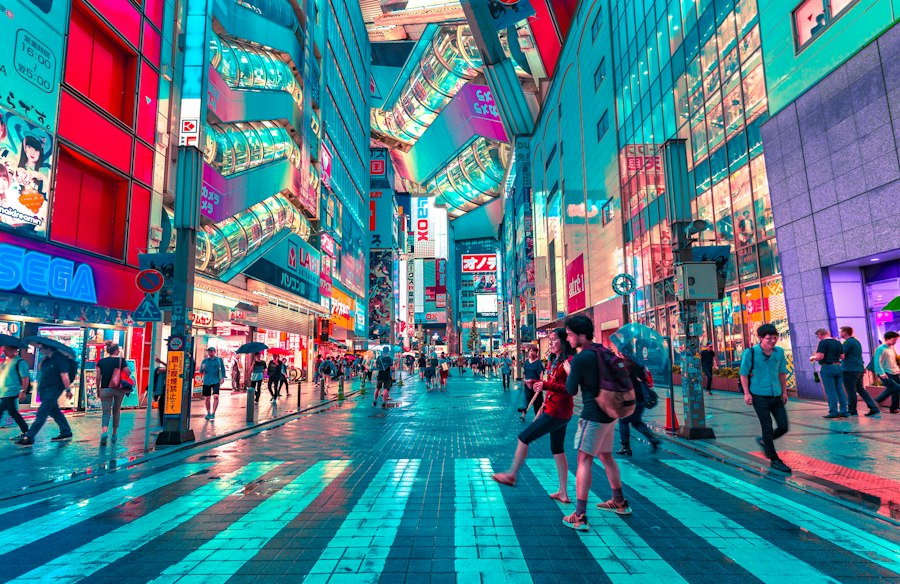
Japan's capital and the world's largest metropolitan area. Shibuya crossing, Senso-ji temple in Asakusa, teamLab digital art museums, Harajuku fashion, and Tsukiji outer market. Allow minimum 4–5 days.
Kyoto
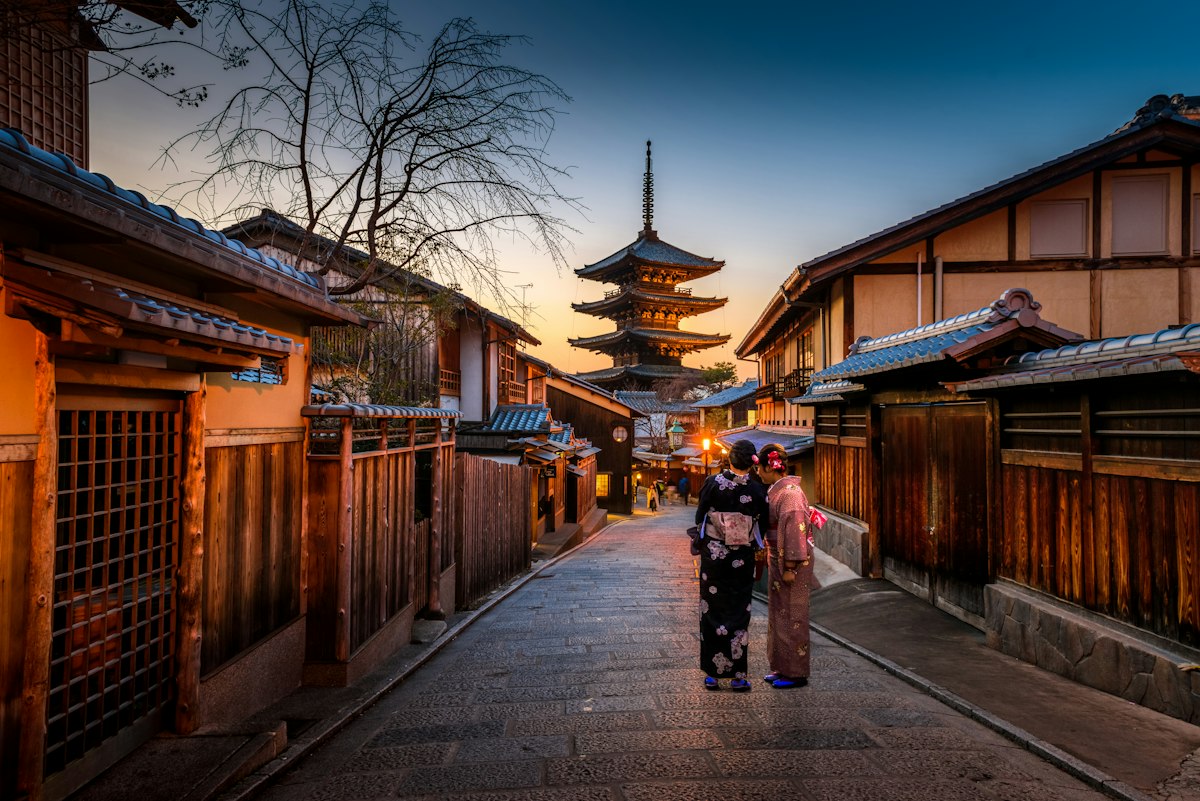
Japan's cultural heart. Fushimi Inari shrine, Arashiyama bamboo grove, Gion geisha district, Kinkaku-ji golden pavilion, and over 1,600 temples. Stay at least 3 nights to do it justice.
Osaka
Japan's food capital. Dotonbori street food, Osaka Castle, Kuromon Market, and the best takoyaki, okonomiyaki, and ramen outside of their home prefectures. Base for day trips to Nara and Kobe.
Hiroshima & Miyajima
The Peace Memorial Museum is one of the most moving experiences in Japan. Combine with a ferry to Miyajima island — home of the floating torii gate and free-roaming deer — for a full day trip.
Hokkaido
Japan's northern island is a completely different country. World-class skiing at Niseko in winter, lavender fields in Furano in summer, and the freshest seafood in Japan year-round. Best explored by rental car.
Shirakawa-go & Kanazawa
A UNESCO-listed gassho-zukuri farmhouse village and Japan's most underrated city. Kanazawa's Kenroku-en garden, Higashi Chaya geisha district, and fresh seafood from the Sea of Japan make this a must-add stop on the Golden Route.
Japan Food Guide — What to Eat and Where
Japan has more Michelin-starred restaurants than any other country on Earth — yet many of the best meals cost under ¥1,000 (about $7 USD). Japanese cuisine (washoku) is about simplicity, seasonality, and precision. Here is what you must try.
| Dish | Region | Where to try it | Avg cost |
|---|---|---|---|
| Ramen | Nationwide | Ichiran (Tokyo/Osaka), local shops | ¥800–¥1,500 |
| Sushi | Nationwide | Tsukiji outer market, kaiten-zushi | ¥200–¥5,000+ |
| Takoyaki | Osaka | Dotonbori street stalls | ¥500–¥700 |
| Okonomiyaki | Osaka / Hiroshima | Mizuno (Osaka), local shops | ¥800–¥1,200 |
| Tempura | Tokyo | Tendon Tenya chain, Tsukiji market | ¥700–¥2,000 |
| Kaiseki | Kyoto | Traditional ryokan dinner | ¥8,000–¥30,000 |
| Wagyu beef | Kobe / Matsusaka | Kobe Steakland, local butchers | ¥3,000–¥15,000 |
| Convenience store food | Nationwide | 7-Eleven, Lawson, FamilyMart | ¥100–¥500 |
🍱 Insider tip: Japanese convenience stores (konbini) are world-class. The onigiri, hot foods, sandwiches, and desserts at 7-Eleven Japan are genuinely excellent and cost ¥100–¥300. Do not skip the egg salad sandwich or the premium chilled matcha latte.
Japan Travel Budget and Costs in 2026
Japan is often perceived as expensive, but with a weaker yen and Japan's exceptional value for money in food and public transport, it is possible to travel well on a surprisingly modest budget.
Estimated daily budget per person (excluding flights)
| Expense | Budget option | Mid-range option |
|---|---|---|
| Accommodation | Hostel dorm ¥2,500–¥3,500 | Business hotel ¥8,000–¥15,000 |
| Meals (per day) | Konbini + ramen ¥1,500 | Restaurant dining ¥4,000–¥8,000 |
| Transport (within city) | IC card ¥300–¥700 | IC card + taxi ¥1,000–¥2,000 |
| Attractions | Many shrines free | ¥500–¥2,500 per site |
| Shinkansen (Tokyo–Kyoto) | ¥13,870 one way (JR Pass may cover) | |
Essential Japan Travel Tips for 2026
1. Carry cash — Japan is still largely cash-based
Despite growing card acceptance in 2026, many restaurants, smaller temples, rural accommodation, and vending machines (over 5 million across Japan) require cash. ATMs at 7-Eleven convenience stores accept international cards 24/7 and are the most reliable option for travellers.
2. Bow slightly when greeting — it goes a long way
A slight bow when entering a shop, saying thank you, or receiving change is appreciated and signals cultural respect. You don't need to master the formal 45-degree bow — a simple 15-degree nod is perfectly correct for tourists in everyday situations.
3. Never eat or drink while walking
Eating while walking is considered poor manners in Japan. Food stalls in tourist areas like Asakusa and Miyajima are exceptions — but on trains, in shopping streets, and in temples, step aside and finish your food before continuing. It's one of the most noticeable cultural differences for Western visitors.
4. Remove shoes when entering homes and some restaurants
If you see a step (genkan) at the entrance with shoes lined up, remove yours. This applies to traditional restaurants with tatami seating, most ryokan, and any private home. Wear clean socks — you'll be padding around in them.
5. Download Google Translate's Japanese offline pack
The camera translation feature reads menus, signs, and food labels in real time. Download the Japanese offline language pack before you fly so it works without data. Combine this with a pocket Wi-Fi and you'll never feel lost.
6. Book popular experiences in advance
teamLab Planets (Tokyo), the Ghibli Museum (Mitaka), the digital art museum teamLab Borderless (reopened 2024 in Azabudai), and capsule hotel stays in premium brands (Nine Hours, The Millennials) all sell out weeks ahead. Book via official websites or Klook before you leave home.
Learn Basic Japanese Before You Go
You do not need to speak Japanese to travel Japan — English signage in major cities is excellent, and most transport apps have English interfaces. However, even 50 words of Japanese will dramatically change your experience. Japanese people respond warmly to any effort to speak their language, and knowing basic phrases gets you better service, warmer interactions, and access to places that don't cater to tourists.

-
①
すみません (Sumimasen) — Excuse me / Sorry
The most useful word in Japan. Use it to get a waiter's attention, apologise for bumping into someone, or start any conversation with a stranger. Works in virtually every social situation.
-
②
ありがとうございます (Arigatou gozaimasu) — Thank you
Use after every transaction, when receiving anything, or when someone helps you. The shorter ありがとう (arigatou) is fine in casual settings.
-
③
〜はどこですか? (~ wa doko desu ka?) — Where is ~?
Insert any destination: 駅はどこですか (Eki wa doko desu ka?) = "Where is the station?" One of the most practical phrases you can learn.
-
④
いくらですか? (Ikura desu ka?) — How much is it?
Essential for markets, unlabelled food stalls, and traditional shops. Most vendors will show you on a calculator if they cannot say it in English.
-
⑤
おいしい! (Oishii!) — Delicious!
Say this after your first bite at any restaurant and watch the chef's face light up. Simple, genuine, and the most appreciated compliment you can give in Japan.
Want to learn more Japanese before your trip?
JLPTForAll's free N5 course covers 800 essential vocabulary words, full Hiragana and Katakana, and practical conversation phrases — structured for complete beginners. Start free, no credit card required.
🎌 Start Learning Japanese FreeFrequently Asked Questions — Japan Travel 2026
It depends on your nationality. Citizens of 68+ countries including the USA, UK, Australia, Canada, and most EU nations can enter Japan visa-free for up to 90 days. Indian, Chinese, and most South Asian passport holders need to apply for a tourist visa in advance from the Japanese Embassy. All visitors must register online at Visit Japan Web before arrival.
Spring (late March to early May) for cherry blossoms and autumn (October to mid-November) for fall foliage are the most popular and visually spectacular times to visit. If you want fewer crowds and lower prices, consider January–February (except around New Year) or September. Avoid Golden Week (late April to early May) if you dislike crowds — it is Japan's busiest domestic holiday period.
Budget travellers staying in hostels and eating at convenience stores and ramen shops can manage on ¥5,000–¥7,000 per day (around $33–$47 USD). Mid-range travellers in business hotels eating at sit-down restaurants should budget ¥12,000–¥18,000 per day. These figures exclude flights and the JR Pass. The weak yen in 2026 makes Japan significantly more affordable than its reputation suggests.
Japan is consistently ranked among the safest countries in the world for solo travel, including for solo female travellers. Violent crime rates are extremely low, train stations are well-lit 24 hours, and it is common to see people leave bags on seats to reserve them. Standard city precautions apply — be aware of your surroundings in entertainment districts late at night — but overall Japan is exceptionally safe.
The JR Pass is worth it if you plan to travel extensively between cities — for example Tokyo, Kyoto, Hiroshima, Osaka, and back in 7–10 days. The 7-day pass costs approximately ¥50,000 ($330 USD) and covers Shinkansen and most JR trains. If you are staying mainly in Tokyo or Osaka, skip it and buy individual tickets — the pass will not break even.
Yes — major cities have excellent English signage, and most hotel staff speak conversational English. Google Translate's camera function handles menus and signs effectively. However, learning even 20–30 basic Japanese phrases (sumimasen, arigatou, ikura desu ka) will noticeably improve your experience and the warmth of interactions. JLPTForAll's free N5 course is the fastest way to pick up travel-ready Japanese before you fly.
Pack comfortable walking shoes (you will walk 15,000–25,000 steps per day in cities), slip-on shoes for removing at temples and restaurants, a small day bag, cash in yen, your passport, a portable phone charger, and weather-appropriate layers. Luggage forwarding services (takkyuubin) from ¥1,500 per bag let you send your suitcase between hotels so you can travel light on Shinkansen.
Learn Japanese Before Your Japan Trip
The best souvenir from Japan is the language. JLPTForAll's free N5 course teaches you 800 essential words, Hiragana, Katakana, and practical travel phrases — all structured, gamified, and free to start. No credit card needed.
🎌 Start Learning Japanese Free