Anime is one of the biggest reasons people fall in love with Japanese in the first place — so it makes sense to use it as fuel for learning, not just entertainment. Watched the right way, anime trains your ear for natural rhythm, everyday vocabulary, and casual speech patterns that textbooks rarely teach. This list ranks 25 shows by difficulty, from the gentlest N5-friendly slice-of-life series to dense N1-level dialogue, so you always know what to watch next.
Important reality check: anime is a supplement, not a substitute. It sharpens listening and builds intuition for natural speech, but grammar, kanji, and structured vocabulary still need to come from dedicated lessons and practice.
Why Anime Actually Works for Language Learning
Anime dialogue is scripted, clearly enunciated, and paced for a listening audience — which makes it far more accessible than unscripted native speech before your ear is ready for it. Characters repeat set phrases across episodes, genres map cleanly onto vocabulary domains (school life, cooking, fantasy battles), and visual context does a lot of the comprehension work for you in the early stages.
The catch is that not all anime is equally useful at every stage. A beginner who jumps straight into a dense historical drama will absorb almost nothing beyond a few isolated words, while an advanced learner who only watches simplified slice-of-life shows will plateau. Matching the show to your current level is what actually moves the needle.
How to Watch Anime the Right Way
Passive background watching barely helps. The learners who see real gains treat each episode as active listening practice, not entertainment on autopilot.
- STEP 1
Watch once with English subtitles
Get the full context and story first so your brain isn'\''t splitting attention between plot and language.
- STEP 2
Rewatch with Japanese subtitles
Reading along while listening reinforces kana recognition and starts training your eye on kanji you already half-know.
- STEP 3
Pause on unfamiliar phrases
Write down 5–10 new words or set phrases per episode instead of trying to catch everything.
- STEP 4
Shadow short lines
Repeat a line out loud immediately after a character says it — this trains pronunciation and natural intonation together.
- STEP 5
Review the vocabulary the next day
Feed the words you noted into flashcards so the exposure actually turns into retention.
Best Anime for Absolute Beginners (N5)
Beginner-friendly anime uses slow pacing, everyday vocabulary, and simple sentence structures — mostly present tense, common particles, and household or school vocabulary that overlaps directly with early textbook chapters.

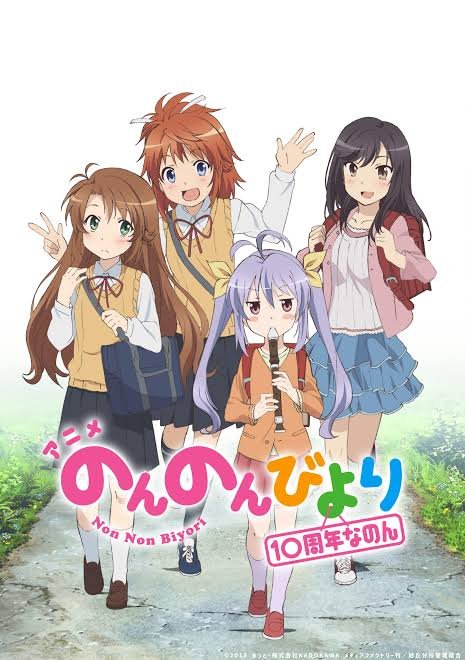
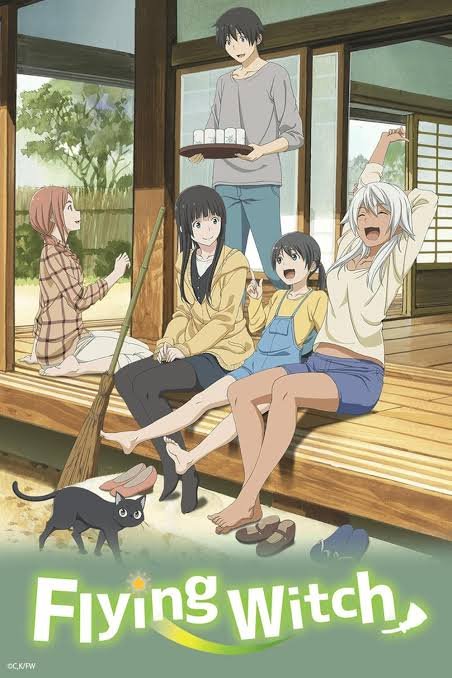
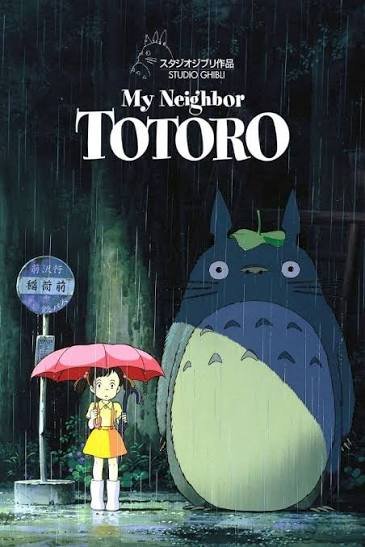
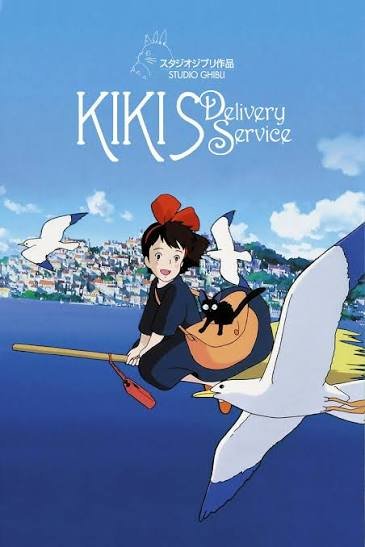
| Anime | Genre | Why It Works for N5 |
|---|---|---|
| Yotsuba&! | Slice of life | Child-level dialogue, extremely simple grammar, everyday objects and routines. |
| Non Non Biyori | Slice of life | Slow rural pacing with clear, unhurried speech and repeated daily-life phrases. |
| Flying Witch | Slice of life / fantasy | Calm dialogue with simple present-tense narration and light vocabulary. |
| My Neighbor Totoro | Family / fantasy | Short, clear lines aimed at a young audience with heavy visual context support. |
| Kiki'\''s Delivery Service | Family / adventure | Simple everyday conversations around work, food, and daily routines. |
Best Anime for Elementary Learners (N4)
Once basic grammar and around 800 words feel comfortable, school-life and workplace-slice-of-life shows introduce past tense, casual speech contractions, and slightly denser dialogue while staying visually grounded.

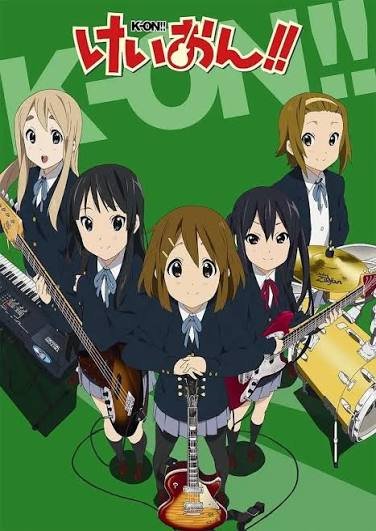

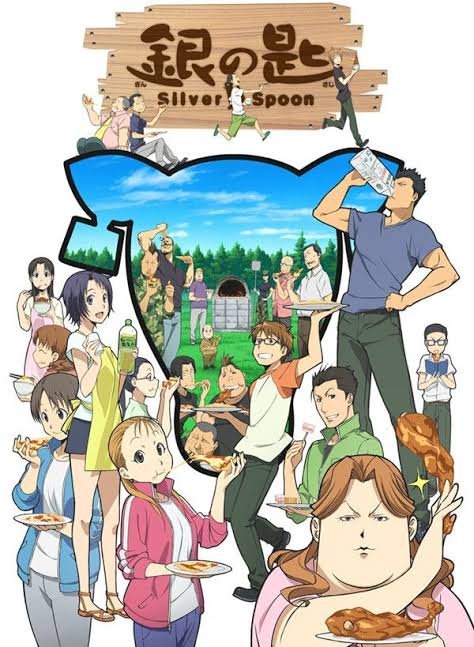
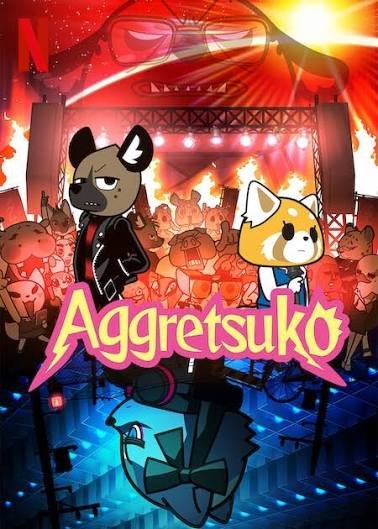
| Anime | Genre | Why It Works for N4 |
|---|---|---|
| Yuru Camp (Laid-Back Camp) | Slice of life | Friend-group dialogue with casual contractions and outdoor/daily-life vocabulary. |
| K-On! | School / slice of life | School club conversations with natural teen speech patterns and repetition. |
| Barakamon | Slice of life | Mix of standard and rural dialect exposure at a manageable pace. |
| Silver Spoon | School / drama | Agricultural school setting with practical vocabulary and clear narration. |
| Aggretsuko | Workplace comedy | Office vocabulary and everyday frustrations expressed in casual, relatable Japanese. |
Best Anime for Intermediate Learners (N3)
At N3, faster-paced dialogue, more idiomatic expressions, and genre-specific vocabulary (action, mystery, supernatural) become manageable. This is also where shows stop over-explaining context visually, so listening comprehension gets tested more directly.

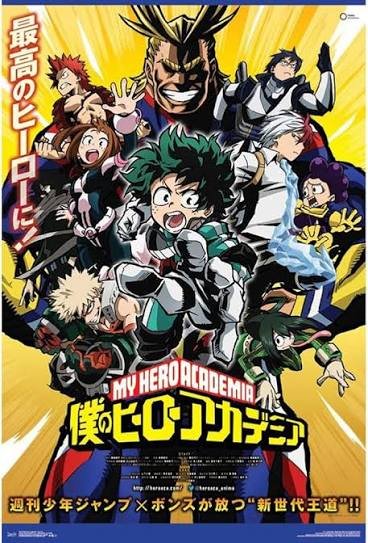



| Anime | Genre | Why It Works for N3 |
|---|---|---|
| Naruto | Action / adventure | Repetitive set phrases and training-arc vocabulary make dense action dialogue approachable. |
| My Hero Academia | Action / school | Modern casual speech mixed with school-setting vocabulary and clear character dynamics. |
| Death Note | Psychological thriller | Formal and polite speech patterns used heavily, good for business-Japanese exposure later. |
| Fruits Basket | Drama / romance | Emotionally expressive dialogue with a wide range of natural conversational patterns. |
| Attack on Titan | Action / drama | Faster, denser dialogue with military and dramatic vocabulary once basics are solid. |
Best Anime for Advanced Learners (N2–N1)
Advanced-level shows drop the simplified pacing entirely — overlapping dialogue, period-specific speech, technical jargon, and rapid-fire exchanges are the norm. These are best approached once N2-level grammar and around 6,000+ words feel comfortable.


| Anime | Genre | Why It Works for N2–N1 |
|---|---|---|
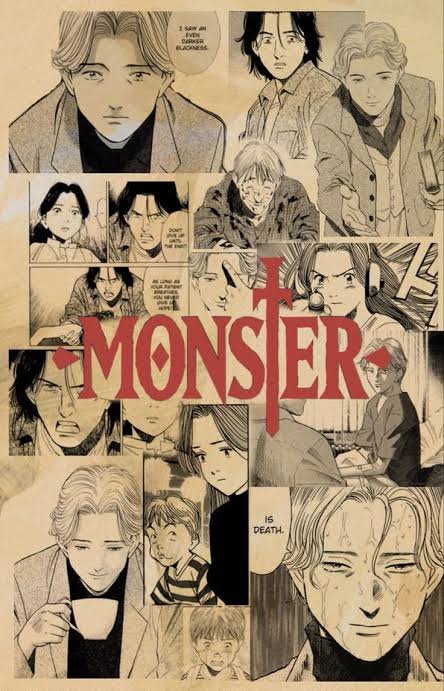
| Monster | Psychological thriller | Dense, adult-level dialogue with minimal simplification and complex plotting. |
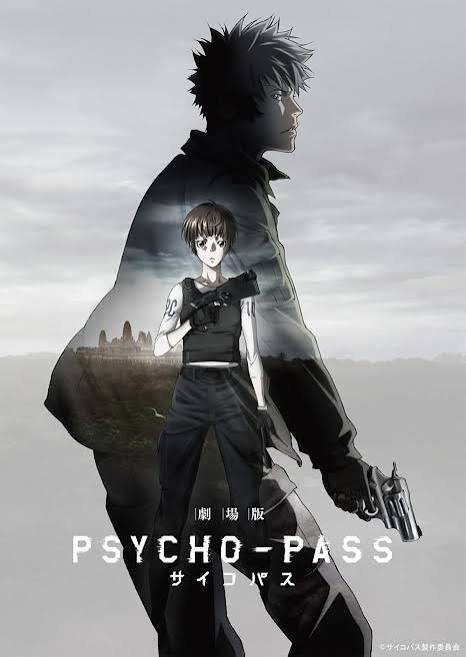
| Psycho-Pass | Sci-fi / crime | Technical and legal vocabulary delivered at natural conversational speed. |
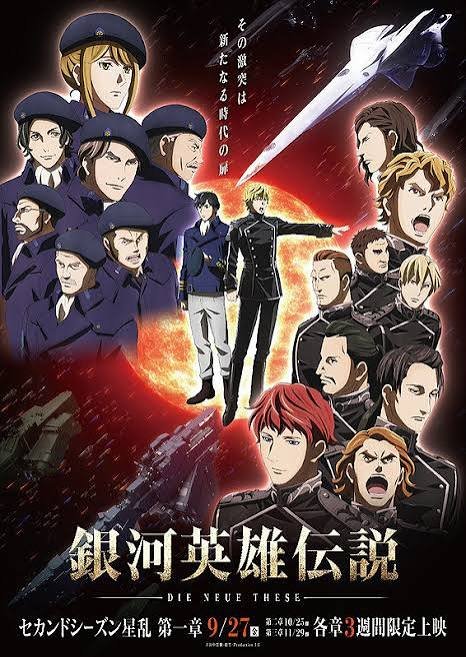
| Legend of the Galactic Heroes | Sci-fi / political drama | Formal register, political rhetoric, and long unbroken monologues. |
| Rurouni Kenshin | Historical drama | Period-appropriate speech patterns and classical-leaning vocabulary. |
| Vinland Saga | Historical / drama | Mature themes with dense narration and minimal reliance on visual simplification. |
5 Mistakes Learners Make With Anime Immersion
- 1Starting with a show above your levelZero comprehension isn'\''t immersion, it'\''s noise. Match the show to what you can already partly follow.
- 2Watching passively with English subtitles only, foreverComprehension without active recall of vocabulary rarely converts into usable Japanese.
- 3Assuming anime speech equals real spoken JapaneseCharacter speech is stylized and often exaggerated — pair anime with real-world audio as you progress.
- 4Binge-watching instead of reviewingTen episodes with zero notes teaches less than one episode reviewed properly the next day.
- 5Ignoring genre varietyWatching only one genre limits you to one vocabulary domain — rotate slice-of-life, action, and drama as you advance.
Frequently Asked Questions
Yes, but only as a supplement to structured study. Anime builds listening comprehension, natural intonation, and casual speech patterns, while grammar and vocabulary still need to come from dedicated lessons.
Slice-of-life shows with slow pacing and everyday vocabulary, such as Yotsuba&!, Non Non Biyori, and Flying Witch, are considered the easiest entry points for beginners.
Beginners typically start with English subtitles for comprehension, then switch to Japanese subtitles once basic vocabulary is solid, since reading along reinforces kana and kanji recognition.
Yes, anime often exaggerates intonation and uses stylized speech patterns for characters, so it should be paired with real-world listening material as your level increases.
One episode a day with active note-taking on new vocabulary is more effective for retention than binge-watching multiple episodes passively.
Turn What You Watch Into What You Remember
JLPTForAll turns the vocabulary you pick up from anime into structured lessons, flashcards, and listening drills for N5 through N1 — free to start.
Start Studying Free →